Introduction to the YMCA Camping Initiative
The YMCA has long been a cornerstone of community support, fostering youth development, promoting healthy living, and enhancing community engagement. At the heart of this commitment is the YMCA Camping Initiative, which plays a crucial role in instilling essential life skills in young people. Through a diverse range of camping programs, the YMCA creates an environment conducive to personal growth and teamwork.
Camps organized by the YMCA serve as a platform for youth to explore the great outdoors while engaging in activities that promote leadership and social interaction. Participants have the opportunity to connect not only with nature but also with peers from various backgrounds. This exposure helps them develop interpersonal relationships, enhancing their communication skills and boosting their confidence.
A significant aspect of the YMCA’s camping efforts is the emphasis on building life skills that are vital for future success. From conflict resolution to cooperative problem-solving, campers learn to navigate challenges collectively, which prepares them for real-world situations. The camping experience reinforces the values of teamwork and perseverance as participants work together to achieve common goals.
Moreover, camping encourages a healthy lifestyle, which is a fundamental component of the YMCA’s mission. Through activities like hiking, swimming, and outdoor sports, campers engage in physical activity that promotes overall well-being. By immersing themselves in a camp setting, they also learn the importance of taking care of their mental health, as the natural environment often contributes to stress relief and emotional balance.
Overall, the YMCA Camping Initiative embodies the organization’s mission to nurture youth and foster community ties, demonstrating the transformative power of camping in shaping future leaders and promoting a healthy lifestyle.
Planning the Camping Event
The organization of a successful camping event involves several methodical steps to ensure objectives are met while providing a safe and enjoyable experience for all participants. The National Council of YMCAs began this process by clearly defining the objectives of the event, which included fostering community spirit, promoting outdoor activities, and encouraging teamwork among members of various YMCA branches.
Once the objectives were set, the next step was to select an appropriate location. The National Council evaluated multiple sites based on factors such as accessibility, facilities available, and the natural environment. Ultimately, the selected venue was one that offered both accommodation and diverse outdoor activities, providing a perfect backdrop for the event.
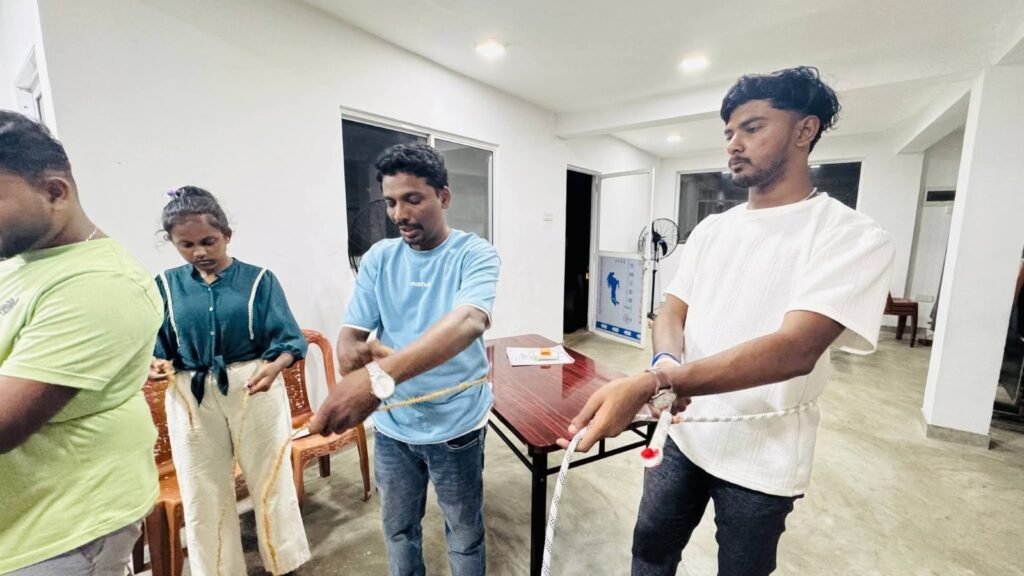
Ensuring the safety of participants is a paramount concern when planning any camping event. The YMCA implemented several safety measures, including risk assessments and first aid training for volunteers. Additionally, emergency protocols were established, ensuring that all staff were familiar with procedures related to natural disasters and medical emergencies. This proactive approach is crucial in maintaining a safe environment during camping activities.
Collaboration played a significant role in the planning process. The National Council worked closely with various YMCA branches to pool resources, share ideas, and maximize volunteer involvement. Volunteers were integral to organizing activities, managing registration, and providing on-site assistance throughout the duration of the event. Their efforts not only helped reduce operational costs but also fostered a sense of community and teamwork among participants.
By following these structured planning steps, the National Council of YMCAs ensured that the camping event would achieve its goals of community engagement and safety while providing an enriching outdoor experience for all involved.
Activities and Programs Offered
The National Council of YMCAs successfully organized a diverse range of activities and programs during their recent camping event, ensuring a fulfilling experience for all participants. The event was designed to cater to various age groups, providing a multitude of options to engage and entertain attendees with different interests and skill levels.
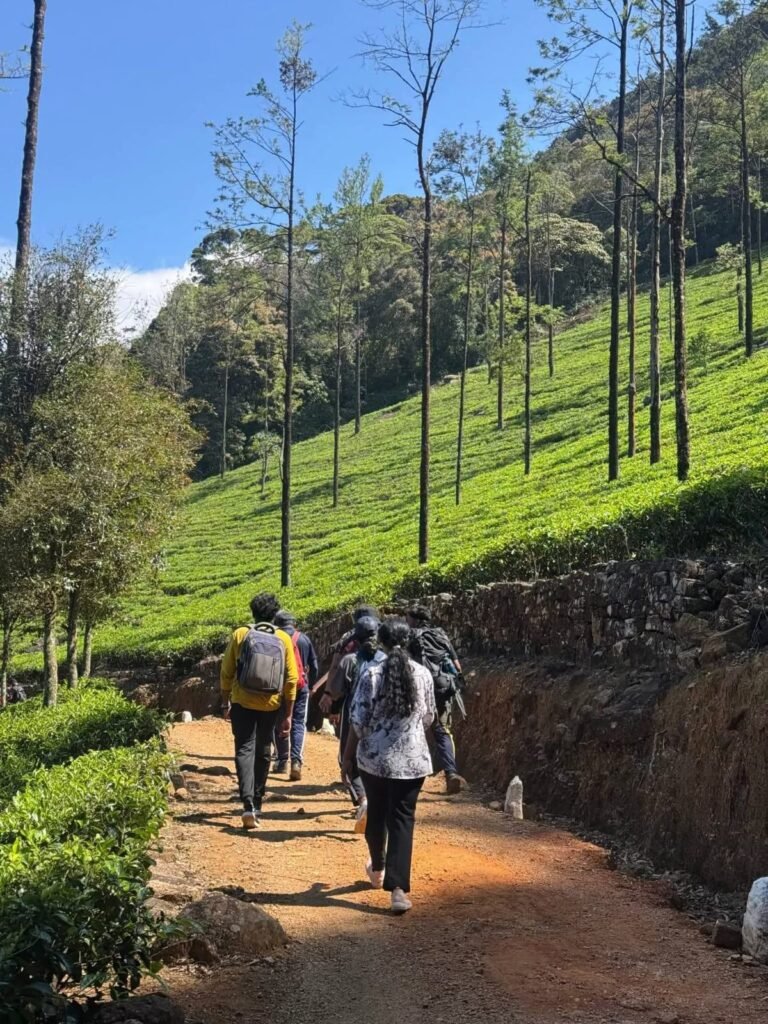
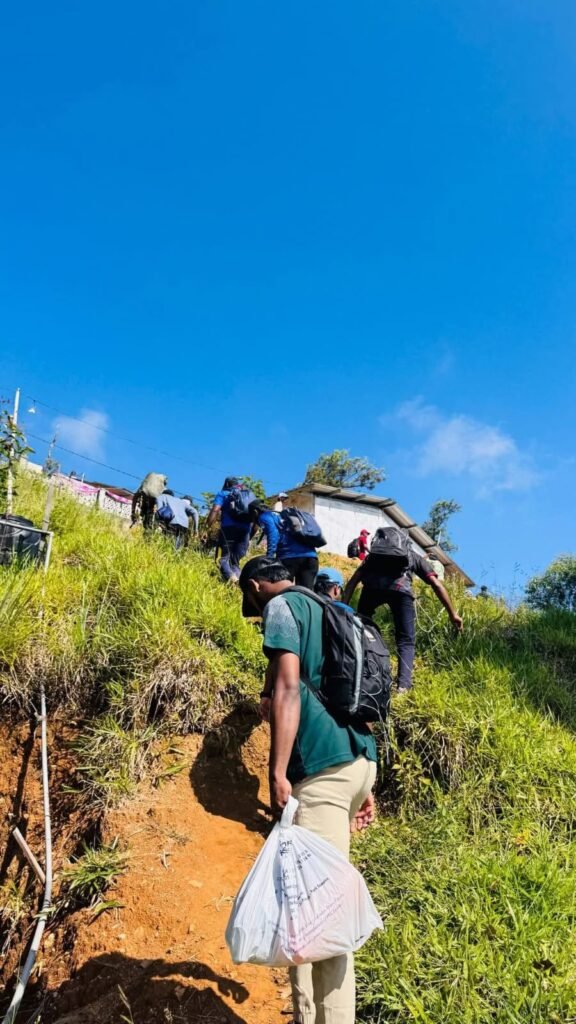
One of the cornerstone activities was hiking, which allowed participants to explore the breathtaking scenery while promoting physical fitness and appreciation of nature. Guided trails were set out for both beginners and experienced hikers, ensuring that everyone could enjoy the adventure at their own pace. Safety briefings and support from trained leaders further enhanced the experience, making it both enjoyable and secure.
Moreover, team-building exercises were incorporated throughout the event to promote cooperation and leadership skills. These activities included obstacle courses, group challenges, and trust-building exercises, which helped participants develop essential life skills while having fun.
In essence, the combination of outdoor adventures, artistic expression, and team-oriented challenges created a rich tapestry of engagement, ensuring all participants had a memorable experience at the camping event organized by the National Council of YMCAs.
Engaging with Nature: Benefits of Camping
Camping offers a myriad of benefits that extend beyond simply spending time outdoors. Engaging with natural settings has been shown to significantly enhance mental health. Exposure to fresh air and the calming sounds of nature can reduce stress levels, anxiety, and depressive symptoms. Many participants of camping events organized by the National Council of YMCAs reported feeling rejuvenated and more emotionally balanced after their time in nature. The tranquility of a forest or the rhythmic flow of a river often provide a much-needed escape from the rigors of everyday life.
Furthermore, camping is an effective catalyst for promoting physical fitness. Activities such as hiking, and even simple tasks like setting up a tent or gathering firewood require physical exertion, which can improve cardiovascular health, build strength, and increase overall endurance. Several participants mentioned that spending sustained time outdoors not only helped them stay active but also motivated them to pursue healthier lifestyle choices upon their return home.
Hiking can also foster a deeper appreciation for the environment. Being immersed in nature allows individuals to witness the intricate balance of ecosystems, understand the importance of conservation, and develop respect for wildlife. Personal experiences shared by campers illustrated moments of wonder, such as spotting a rare bird or observing the star-studded sky free from light pollution. These experiences often inspire a lifelong commitment to protecting our natural surroundings.
In summary, the benefits of camping are profound, impacting mental health, encouraging physical activity, and nurturing a culture of environmental stewardship. Participants of the camping events organized by the National Council of YMCAs can attest to these positive outcomes, showcasing the powerful connection between humans and nature.
Challenges Faced and Overcome
The organization of a large-scale camping event by the National Council of YMCAs inevitably comes with its share of challenges. One of the primary issues faced was logistical complications, which are often a staple in any large gathering. Coordinating transportation, supplies, and accommodation for participants can quickly become a daunting task. To address this, the organizing committee implemented a strategic planning phase that included pre-event mock scenarios. This foresight allowed for real-time adjustments and ensured that resources were adequately allocated and accessible throughout the event.
Another significant hurdle was adverse weather conditions. As the event approached, forecasts predicted rain and chill, which posed a risk to the comfort and safety of all attendees. To mitigate this, organizers developed contingency plans that included shelter options and adaptable activity schedules. By shifting some activities indoors and providing adequate gear for unexpected weather changes, they safeguarded participant engagement and satisfaction.
Moreover, fostering participant engagement posed a challenge as well. With a mixed demographic attending, from seasoned campers to newcomers, ensuring that all participants felt included and motivated to partake in various activities was critical. Organizers tackled this by introducing a range of activities tailored to different skill levels, while also incorporating icebreakers and team-building exercises at the onset. This enhanced social interaction and helped create a cohesive environment, encouraging participants to connect and engage with one another, regardless of their previous camping experience.
Through strategic planning, adaptive measures, and a focus on inclusivity, the organizing team of the National Council of YMCAs successfully navigated these challenges, paving the way for a memorable and fulfilling camping experience.
Impact on the Local Community
The YMCA camping initiative plays a significant role in enhancing the local community through various facets of engagement and development. At its core, the program fosters community involvement by bringing together families and individuals from diverse backgrounds to participate in enriching outdoor experiences. This collaboration not only strengthens existing relationships among community members but also encourages new connections, ultimately nurturing a spirit of unity and camaraderie.
Moreover, the YMCA’s approach to creating local partnerships is invaluable. By collaborating with nearby organizations, businesses, and educational institutions, the camping initiative benefits from shared resources and expertise. Such alliances enable the YMCA to offer a broader range of activities and services, enhancing the camping experience and ensuring a more comprehensive approach to youth development and family well-being. These partnerships also create opportunities for local businesses to support the initiative, further integrating the program into the community fabric.
In addition to promoting community involvement and partnerships, the YMCA camping initiative actively advocates for healthy lifestyles among families. Physical activities such as hiking, swimming, and team sports are fundamental components of camping events, encouraging participants to adopt healthier habits and appreciate the outdoors. By instilling these values, the initiative helps families prioritize physical fitness and mental wellness, positively impacting their overall quality of life.
Through these multifaceted efforts, the YMCA camping initiative substantially impacts the local community, fostering a sense of belonging, cooperation, and commitment to healthy living. The initiatives not only enrich the lives of participants but also contribute to a culture that values collaboration and wellness in everyday life.
The Future of YMCA Camping Programs
The National Council of YMCAs is committed to the continuous development and enhancement of its camping programs, responding to evolving community needs and preferences. Moving forward, the YMCA aims to expand its camping offerings by introducing a broader range of activities that cater to diverse interests. These include outdoor adventure sports, creative arts and crafts, nature education, and cultural experiences, allowing participants to explore new avenues for personal growth and community connection.
Moreover, inclusivity remains at the forefront of YMCA’s initiatives. Plans are set to implement programs specifically designed to accommodate participants from various backgrounds, including those with disabilities and underrepresented communities. By fostering an inclusive environment, the YMCA endeavors to ensure that everyone has the opportunity to benefit from the enriching experiences that camping provides.
Feedback from past participants will play a critical role in shaping future developments within the YMCA camping programs. By actively soliciting and integrating this valuable input, the National Council seeks to create more engaging and tailored camp experiences. This collaborative approach not only demonstrates respect for camper voices but also helps in adapting to new trends and preferences that may arise.
In summary, the future of YMCA camping programs holds a promise of expansion, new activities, and a stronger commitment to inclusivity. Through ongoing improvements and active community engagement, the YMCA aims to ensure that its camping experiences remain relevant, enjoyable, and accessible for all participants. As these plans unfold, the YMCA remains dedicated to nurturing connections among individuals, families, and the great outdoors, ultimately fostering a lifelong love for nature and community among all campers.
Conclusion: The Importance of Camping for Youth Development
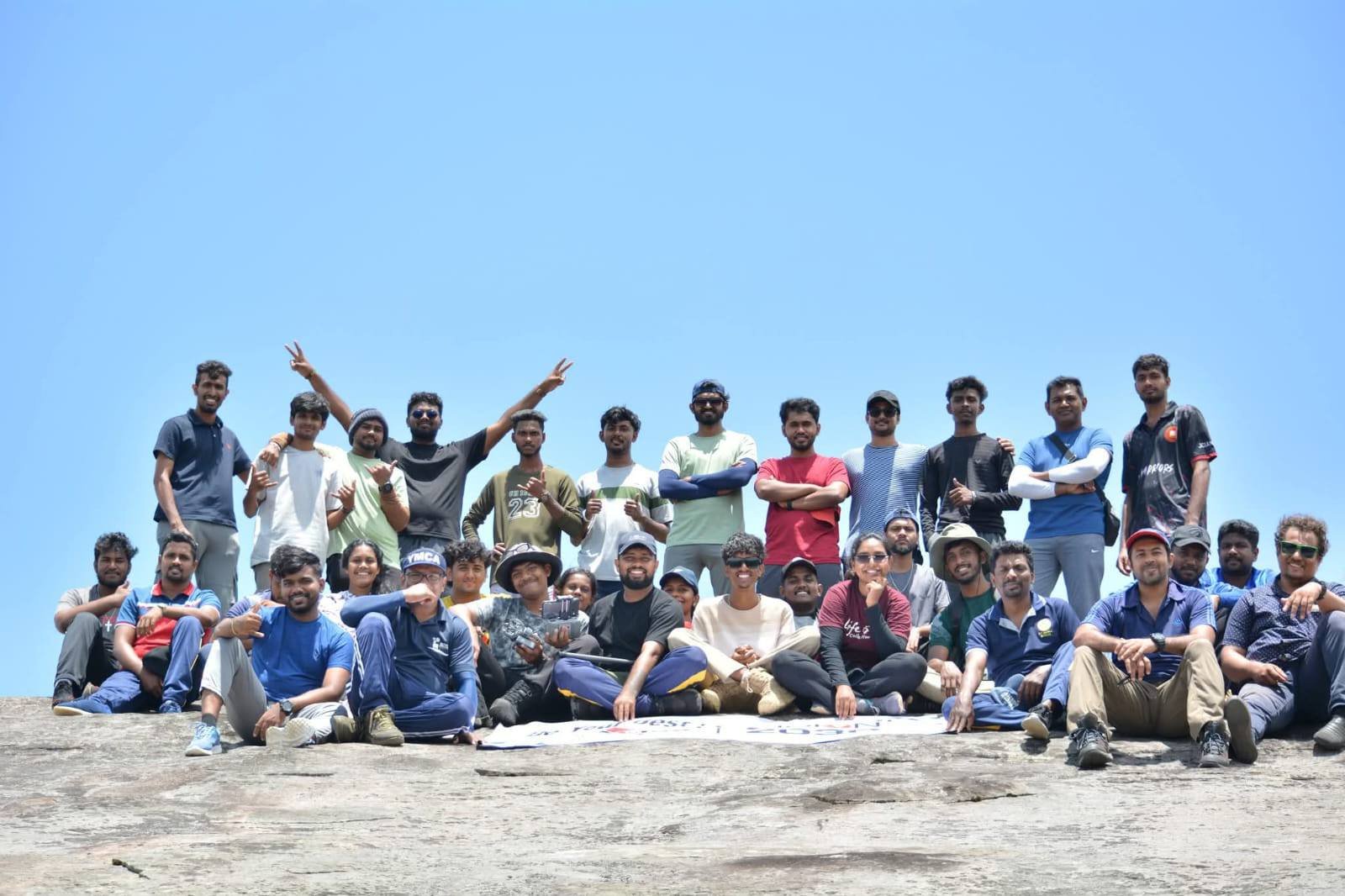
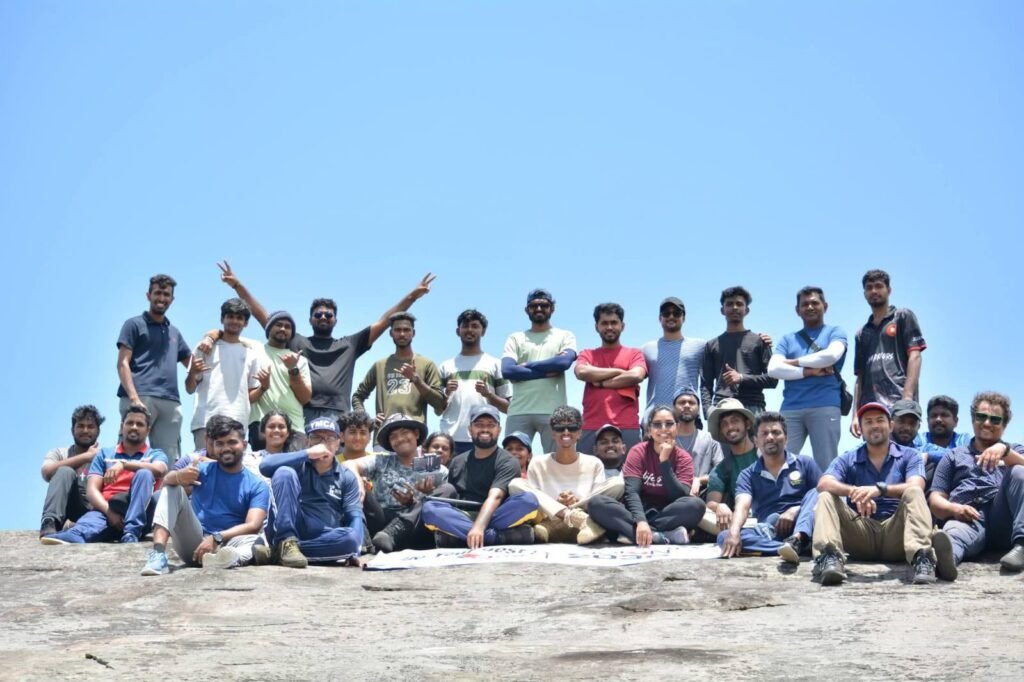
The successful camping event organized by the National Council of YMCAs served as a profound testament to the positive impact of outdoor experiences on youth development. Through interactive activities, skill-building workshops, and teamwork exercises, participants not only forged friendships but also gained invaluable life skills. The varied programming highlighted the multifaceted benefits of camping, particularly in fostering resilience, leadership, and self-esteem among young individuals.
These initiatives are crucial as they provide a safe environment where children and teenagers can explore their capabilities, challenge themselves, and experience personal growth. The outdoor setting encourages them to step out of their comfort zones, fostering a sense of independence and self-reliance that is often difficult to achieve in traditional educational settings. Furthermore, by being part of a community, youth learn the significance of collaboration and respect for others, both critical in their future endeavors.
Moreover, engaging in camping activities offers various health benefits. Participants have the opportunity to disconnect from technology and immerse themselves in nature, which has been shown to reduce stress and enhance mental well-being. The combination of physical activity and mental relaxation cultivates a balanced lifestyle, encouraging young people to prioritize their health and well-being long after the event concludes.
In light of these outcomes, it is essential to encourage continued participation in YMCA programs. The ongoing funding and support for such initiatives not only sustains their availability but also amplifies the positive effects that challenging and adventurous experiences can have on youth. Helping to nurture the next generation through camping is not simply a worthwhile endeavor, but a vital investment in their future success and resilience.