Introduction to the Lifesaver Training Program
The Lifesaver Training Program, organized by the National Council of YMCA’s Sri Lanka, is a pivotal initiative aimed at empowering the youth within local communities. Recognizing the need for stronger community safety measures, this program focuses on equipping young individuals with essential life-saving skills that can not only protect themselves but also assist fellow community members in emergencies.
In a country that is prone to natural disasters and varying aquatic hazards, the training serves as a vital resource. Participants learn fundamental techniques in first aid, water safety, and rescue operations, ensuring that they are prepared to respond effectively in critical situations. The curriculum is designed to be comprehensive, encompassing theoretical knowledge and practical applications, thereby fostering a deep understanding of the responsibilities that come with such skills.
The significance of the Lifesaver Training Program extends beyond individual empowerment; it cultivates a culture of safety and preparedness within communities. By engaging the youth, the program encourages them to take on leadership roles as future lifeguards and first responders. Their enhanced capabilities create a ripple effect, where trained individuals can instill safety awareness and practices among their peers and families, ultimately contributing to a safer environment for everyone.
Moreover, the initiative is aligned with the broader goals of the YMCA, which seeks to foster holistic development, citizenship, and community engagement among young people. As society evolves and faces new challenges, the Lifesaver Training Program stands as a testament to the commitment of YMCA Sri Lanka to not only empower youth but also enhance the resilience and safety of communities across the nation.
Importance of Community Safety
Community safety is a fundamental aspect of societal well-being that significantly impacts the quality of life for its members. Ensuring a safe environment fosters social cohesion and trust among community members, enabling them to participate actively in various communal activities. A secure community not only enhances the overall living conditions but also encourages economic growth, as safety measures can attract businesses and visitors. It is imperative for all members of a community to contribute to and advocate for a heightened sense of safety, as this collective responsibility strengthens the foundations of communal interfaces.
Proactive measures play a crucial role in enhancing community safety. Initiatives such as Lifesaver Training Programs, offered by organizations like the YMCA in Sri Lanka, equip individuals with vital skills necessary for safeguarding themselves and others. Through structured training, participants learn essential techniques in first aid, emergency response, and water safety, which can mitigate the effects of potential accidents or crises. Such competency not only empowers youth but also cultivates leaders within the community who can act decisively in emergency situations.
Moreover, engaging community members in safety training fosters a culture of preparedness and resilience. When individuals are aware of safety procedures and how to implement them, the entire community benefits from reduced risks of accidents and heightened awareness of surrounding dangers. Importantly, these initiatives can also reduce the overall burden on emergency services, as trained individuals can manage situations effectively until professional assistance arrives.
In a rapidly changing world, prioritizing community safety through educational programs like Lifesaver Training can have lasting positive effects. It encourages a unified effort to mitigate accidents and enhances the confidence of community members to take proactive measures in safeguarding not only their well-being but also that of their neighbors.
Overview of the Training Curriculum
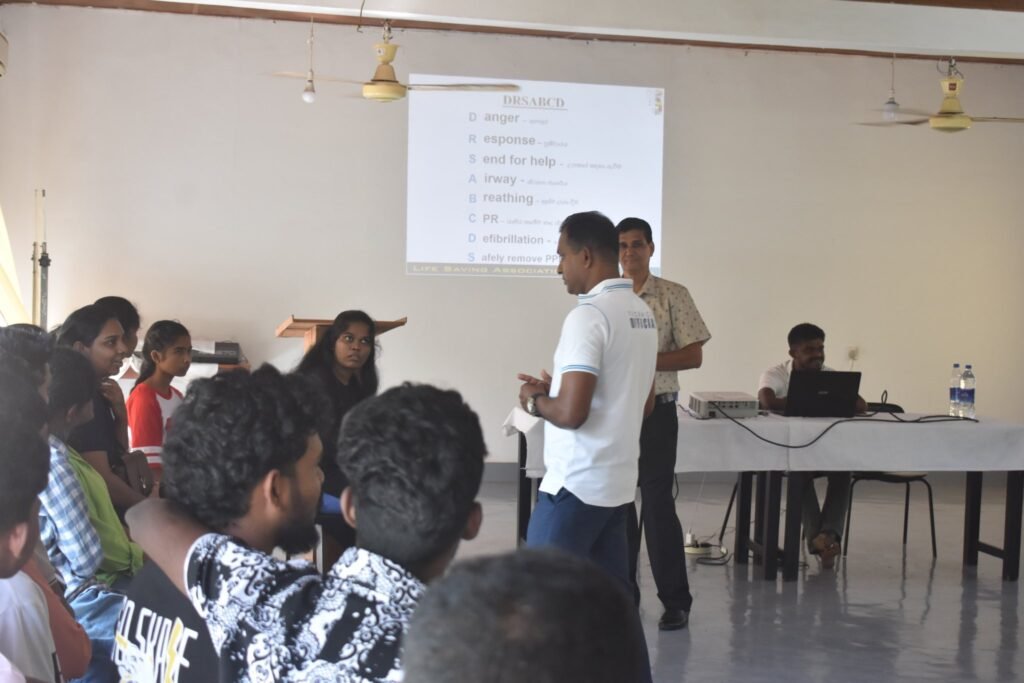
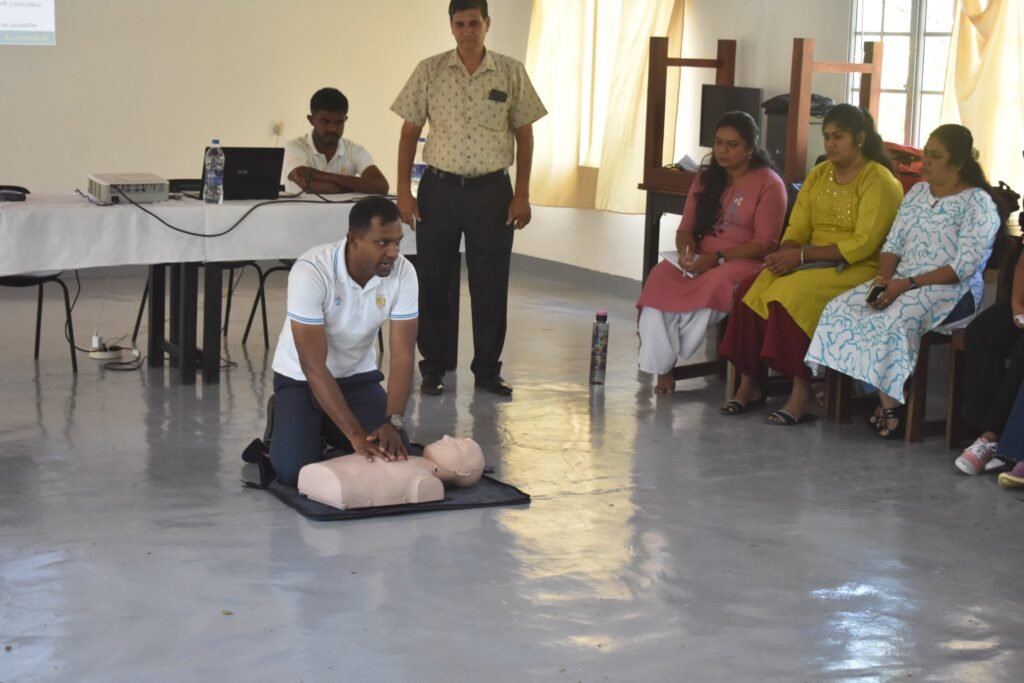
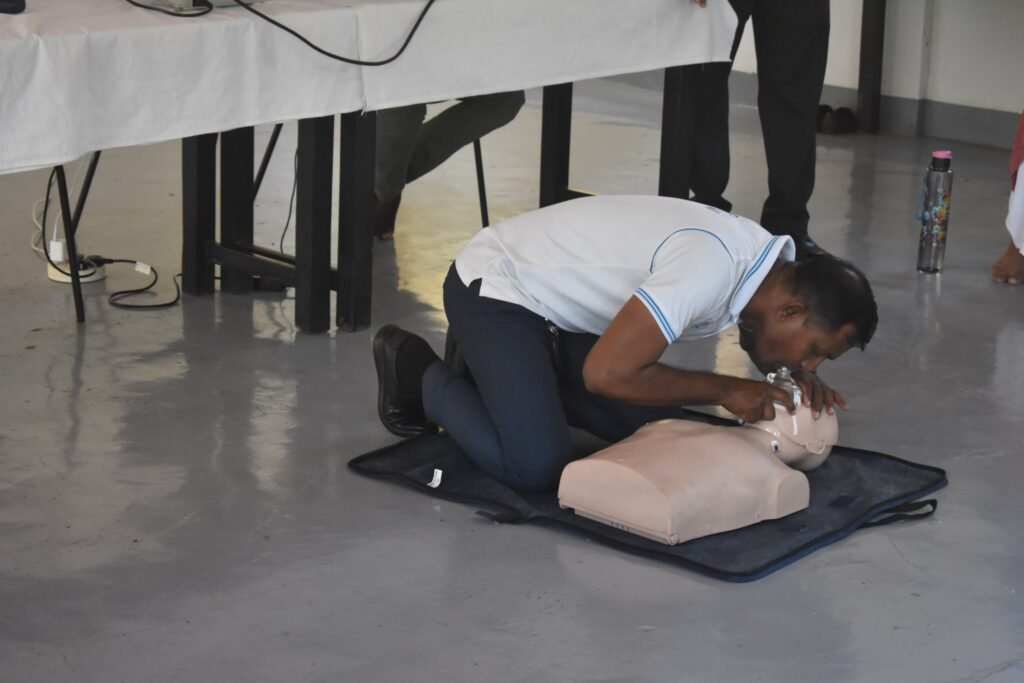
The Lifesaver Training program offered by the YMCA in Sri Lanka is a comprehensive initiative aimed at equipping youth with crucial life-saving skills. The training curriculum is meticulously designed to encompass a variety of essential competencies, including Cardiopulmonary Resuscitation (CPR), first aid techniques, and emergency response strategies. Each component is vital in ensuring participants gain both theoretical understanding and practical capabilities necessary for effective intervention during emergencies.
Structured to promote active learning, the curriculum integrates interactive classroom sessions with hands-on practice. This approach encourages participants to engage with the material directly, fostering a deeper comprehension of complex concepts. For instance, the CPR module includes demonstrations followed by opportunities for practice on mannequins, allowing trainees to apply their skills in a safe environment. Additionally, the first aid section of the training emphasizes real-life scenarios, teaching participants how to assess and respond to various injuries, from minor wounds to more serious conditions.
Furthermore, the curriculum includes a focus on emergency response techniques, which covers basic principles of triage, communication in emergencies, and teamwork. Participants learn how to effectively manage crises, coordinating efforts with others to ensure swift and efficient action. The structure of the training sessions is designed to cater to the varying learning paces of participants, incorporating group discussions, role-plays, and simulations to enhance retention of knowledge.
Overall, the YMCA’s Lifesaver Training curriculum not only prepares youth for imminent challenges but also instills confidence in their ability to act decisively in emergencies. By comprehensively addressing life-saving skills, the program empowers youth with the knowledge and capabilities essential for making a difference in their communities.
Youth Engagement and Empowerment
Youth engagement plays a pivotal role in shaping community initiatives, particularly through programs like the Lifesaver Training offered by the YMCA in Sri Lanka. This initiative not only equips young individuals with essential lifesaving skills but also enhances their sense of responsibility and duty towards their peers and broader community. Through active participation, youths gain a deeper understanding of the value of teamwork, safety, and leadership.
The Lifesaver Training Program serves as a platform for youth to develop critical skills that extend beyond technical knowledge. Participants learn to recognize the importance of water safety, emergency response, and effective communication, which are invaluable competencies in today’s society. As these young individuals become certified lifesavers, they embody a proactive approach to community welfare, encouraging others to prioritize safety and support.
Engaging youth in such programs fosters a sense of empowerment. Young participants not only feel proud to contribute to their communities but also understand the impact of their roles as lifesavers. This transformation cultivates a generation that is more aware of and responsive to social responsibilities, building a foundation for future leaders. By instilling these values, the program ensures that youths are not merely participants but are active contributors to community health and safety.
Moreover, the Lifesaver Training program promotes inclusivity by welcoming youths from diverse backgrounds. This diversity enriches the learning experience, as participants share unique perspectives and collaborate on solutions to common challenges. Consequently, youth engagement through such initiatives reflects a commitment to building a robust, responsible, and resilient community.
The Kallar Community: A Spotlight
Kallar is a vibrant locality situated on the eastern coast of Sri Lanka, characterized by its rich cultural heritage and a close-knit community. The area has a population that is predominantly engaged in fishing and agriculture, which are the traditional means of livelihood for many families. Despite its picturesque landscapes and cultural richness, Kallar faces several safety challenges, particularly related to water activities, which are essential for the local economy. The proximity to the ocean and rivers, while providing abundant resources, also necessitates increased awareness and preparedness for water-related emergencies.
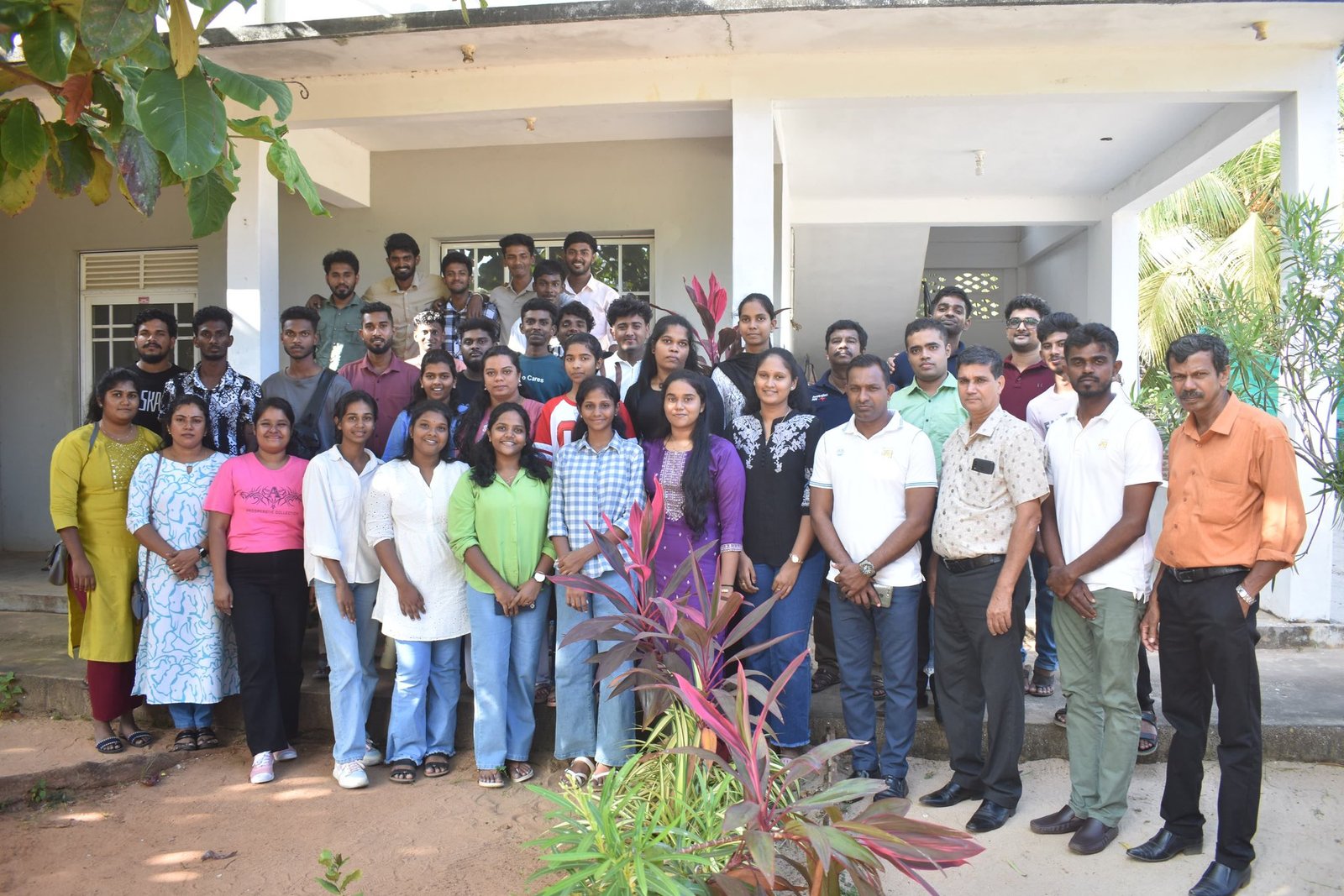
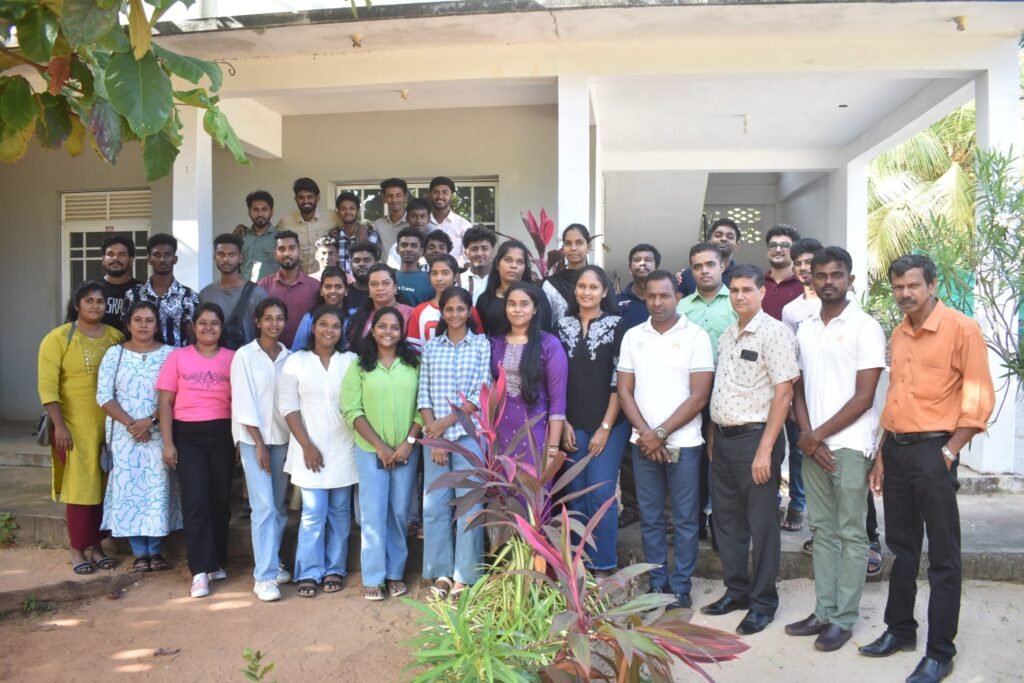
The youth of Kallar, serving as the backbone of the community, exhibit remarkable enthusiasm for participating in initiatives aimed at enhancing their skills and knowledge. Recent efforts have seen the introduction of the Lifesaver Training Program by the YMCA, aimed at equipping local youths with vital lifesaving skills. This program addresses the pressing need for safety measures in a community that often faces hazards associated with water activities. Awareness around drowning and water safety is particularly pertinent, given that many community members rely on aquatic environments for their livelihoods.
In Kallar, the response from the youth regarding the Lifesaver Training Program has been overwhelmingly positive. Young individuals are eager to learn, demonstrating a strong willingness to absorb knowledge that can potentially save lives. They recognize that gaining these skills not only benefits their personal safety but also fosters a responsible and proactive community attitude towards water safety. The program is viewed as an essential step towards empowering youth, allowing them to take an active role in ensuring the safety of their peers and families. Overall, the Kallar community’s commitment to improvement and safety highlights the transformative impact that such training programs can have on local populations.
Success Stories and Testimonials
The Lifesaver Training program initiated by the YMCA in Sri Lanka has had a profound impact on the lives of many participants, equipping them with essential skills and knowledge that transcend mere survival techniques. One particularly inspiring account comes from Sanjay, a 17-year-old from Galle. Before participating in the program, Sanjay had little awareness of water safety protocols. After completing the training, he not only mastered lifesaving techniques but also became an advocate for water safety in his community. He has since organized awareness workshops in local schools, ensuring that more children understand the importance of swimming skills and the potential dangers associated with water environments.
Another powerful testimony comes from Kumari, a 22-year-old woman who participated in the program amid the backdrop of her village’s struggles with frequent floods. Kumari said, “The training transformed my life. I feel empowered to help my family and neighbors during emergencies. I never imagined I could save someone’s life until I joined the YMCA’s Lifesaver Training. Now, I’m confident and capable of responding to crisis situations. My community looks up to me, which has boosted my self-esteem greatly.” Her experiences are reflective of how the initiative helps not only individual participants but also the wider community by fostering a culture of safety and reassurance.
Additionally, the impact of this program extends beyond direct lifesaving skills. Many participants report a significant increase in their confidence and leadership abilities, as exemplified by Rajesh, a 19-year-old who stepped up to lead a community project focusing on youth engagement in physical activities. With training insights, he has encouraged many peers to participate in swimming and safety education, emphasizing the university’s role in community health.
Future Initiatives and Expansion Plans
The YMCA in Sri Lanka has laid out a strategic plan to expand its lifesaver training initiatives to reach a broader audience of young individuals. Recognizing the importance of equipping the youth with vital life-saving skills, the organization is exploring partnerships with schools, community centers, and local governments. By fostering these collaborations, the YMCA aims to create accessible training sessions that cater to diverse communities across urban and rural settings.
One of the key aspects of the future initiatives involves increasing the frequency and variety of training programs offered. The YMCA plans to introduce specialized courses that target specific needs, such as water safety, first aid, and emergency response skills tailored to the local context. This approach ensures that the training remains relevant and practical, allowing participants to effectively apply what they learn in real-life situations.
Moreover, the YMCA envisions engaging local volunteers and trained instructors to facilitate these sessions, thereby promoting community involvement and ownership of the lifesaver training programs. This initiative not only empowers participants but also nurtures a culture of safety within the community, ultimately resulting in a larger pool of certified lifesavers.
In addition, the organization is committed to leveraging technology to enhance training delivery. Future initiatives will explore online resources and digital platforms, making lifesaver training more accessible to youth who may have transportation or time constraints. This digital shift is particularly important in today’s world, where virtual engagement allows for a dynamic learning environment.
The comprehensive plan highlights the YMCA’s dedication to continually adapt and expand its efforts in safety training, emphasizing the role of youth as key agents in promoting water safety and emergency preparedness. Through these initiatives, the YMCA in Sri Lanka aspires to cultivate a generation of empowered young individuals equipped with the skills to contribute positively to their communities.
How to Get Involved
Engaging in the Lifesaver Training programs organized by the YMCA in Sri Lanka presents a vital opportunity for individuals and local organizations alike to contribute meaningfully to community safety. There are several pathways for interested parties to get involved, whether through volunteer roles, financial contributions, or by simply spreading the word about the program’s significance.
First, individuals eager to enhance their skills or to become advocates for safety can participate directly in upcoming lifeguard training sessions. The YMCA often announces these sessions on its website and social media platforms. Interested persons can sign up through these platforms to receive the latest updates on training schedules and registration details. Additionally, local schools and universities may collaborate with the YMCA, facilitating the recruitment of young individuals passionate about swimming and safety.
Local organizations, such as community centers, schools, and businesses, can also play a pivotal role by partnering with the YMCA. Organizations can sponsor training sessions, which enhances access for low-income participants. This financial support ensures that more youth can be trained as lifesavers, ultimately boosting community resilience.
Furthermore, community members can engage in outreach efforts to promote the importance of lifesaving skills within their networks. Hosting workshops, informational sessions, or fundraisers to raise awareness about drowning prevention and the lifesaver training program helps build a culture of safety. It is also an exemplary way for community leaders to inspire others to foster collective responsibility towards safeguarding lives.
In essence, involvement in these initiatives not only empowers the youth but also reinforces the commitment of the community toward creating a safer environment. Everyone’s contribution, no matter how small, serves to bolster the program’s reach and effectiveness.
Conclusion: The Path Forward for Community Safety
Through the YMCA’s initiative in Sri Lanka, we have seen a powerful demonstration of how lifesaver training not only equips youth with critical skills but also plays a crucial role in enhancing community safety. The training programs empower young individuals, turning them into responsible citizens capable of responding effectively to emergencies. These young lifesavers emerge as leaders in their communities, inspiring their peers and reinforcing the idea that preparedness can significantly reduce risks associated with accidents and emergencies.
As we have discussed, the importance of ongoing training cannot be overstated. Each session not only hones the practical skills of these youths but also promotes a culture of safety and vigilance within the community. By regularly updating their skills and knowledge, trained individuals can adapt to new challenges, further strengthening the community’s resilience against unforeseen events. The focus should continue to be on integrating safety education into the broader fabric of youth development programs, ensuring accessibility for all young individuals.
Furthermore, community involvement is vital for sustaining these initiatives. Local stakeholders—such as parents, business owners, and educators—must actively support these training programs. Collaboration between the YMCA, government bodies, and community organizations will be essential to secure necessary funding and resources. As a community, there is a collective responsibility to nurture the next generation of lifesavers who will not only protect themselves but also safeguard the lives of those around them.
In conclusion, empowering youth through lifesaver training is a strategic investment in the future of community safety. By prioritizing this training and supporting ongoing initiatives, we can create a safer environment for everyone, fostering a sense of solidarity and readiness that can withstand the tests of time. Together, let us continue to champion the cause of community safety, ensuring that our youth are equipped and inspired to take on this important mission.